The Challenge
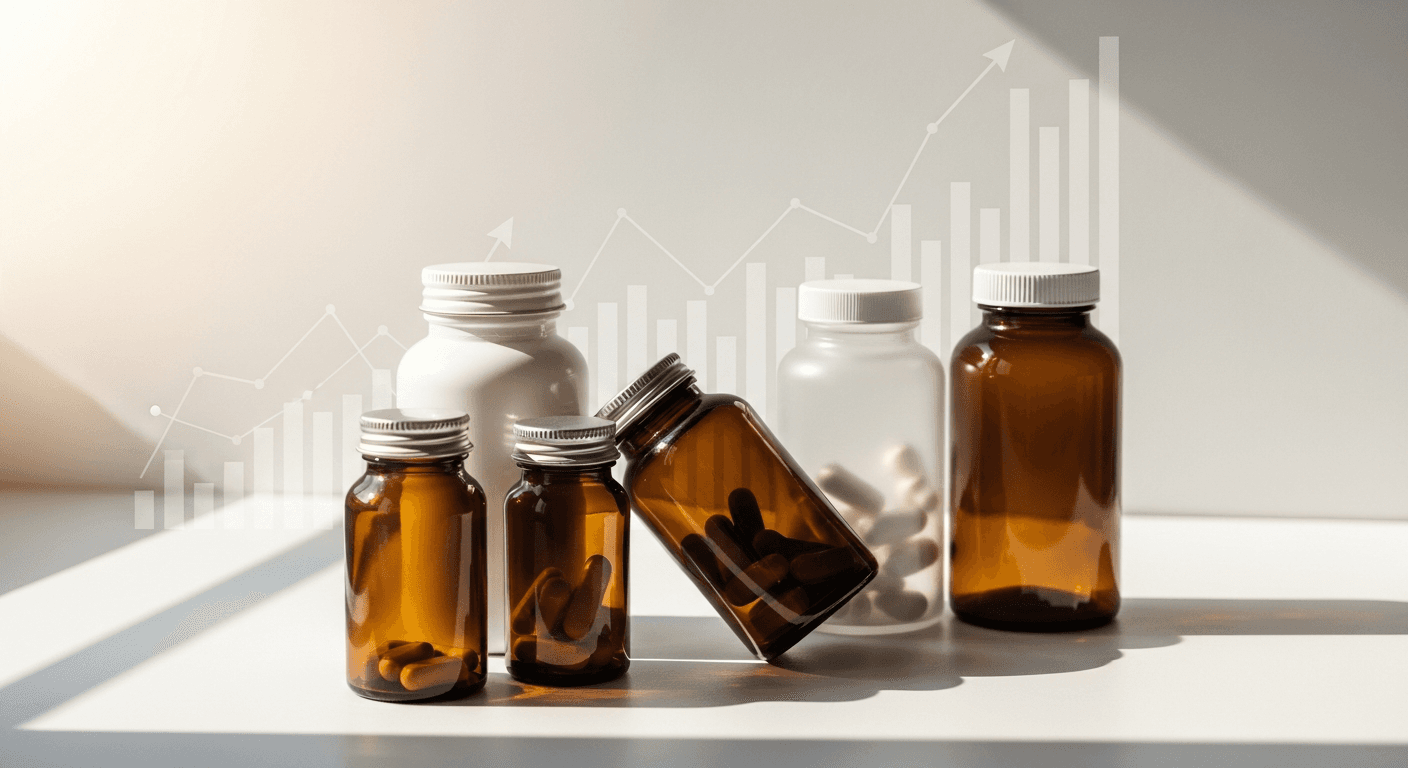
A direct-to-consumer supplement brand operating on Shopify had built a strong organic search presence over several years. Their products ranked well in traditional Google results, and their content strategy generated steady traffic. But a shift was underway.
Consumers were increasingly turning to AI assistants like ChatGPT and Perplexity for product research. When users asked questions like “what are the best magnesium supplements for sleep?” or “recommend a high-quality protein powder,” AI-generated answers consistently excluded this brand. Competitors with less brand equity were being cited repeatedly.
The brand’s leadership realized they had a visibility gap they couldn’t measure with existing tools. Traditional SEO dashboards showed strong rankings, but AI assistant recommendations told a different story entirely.
The Solution
The brand used CiteScore to run a comprehensive Brand AEO Audit across their product category. The audit tested 40 category-neutral questions across four major AI models and revealed three critical gaps.
Content
CiteScore’s analysis revealed that the brand’s product pages lacked the structured, comparative information AI models rely on. Product descriptions were marketing-focused rather than information-dense. The team restructured product pages to include ingredient breakdowns, dosage comparisons, and evidence-based benefit claims. They also created comprehensive category guides that positioned their products within broader supplement categories.
Technical
The Website GEO Audit identified schema markup gaps. Product pages were missing structured data for ingredients, dosage, and review aggregates. The team implemented Product, Review, and FAQ schema across their entire Shopify catalog using CiteScore’s recommendations.
Strategy
Using CiteScore’s benchmark questions, the brand identified the exact queries where competitors were being cited. They built a content cluster strategy targeting these specific AI recommendation gaps, prioritizing queries with the highest commercial intent.
The Outcome
- 217% increase in AI shopping visibility across ChatGPT, Perplexity, and Gemini
- 38% increase in AI-cited product mentions within their supplement category
- 4.2x more AI assistant recommendations compared to pre-optimization baseline
- Primary or secondary mention in 73% of target category queries
- Competitive ranking shifted from #8 to #2 in AI recommendation frequency
The brand now runs monthly AEO audits through CiteScore to track their AI visibility score and identify emerging gaps before competitors fill them.
Frequently Asked Questions
How do AI assistants recommend supplement brands?
AI assistants draw on product reviews, comparison content, ingredient information, and authoritative health sources. Brands with clear category positioning and structured product data are more likely to be cited.
Can Shopify stores improve their AI visibility?
Yes. By auditing how AI assistants currently describe your category, identifying content gaps, and restructuring product descriptions and supporting content, Shopify stores can significantly increase their AI citation rate.
How long does it take to see AI visibility improvements?
Most brands begin seeing measurable changes within 8-12 weeks of implementing a structured AEO strategy, though results vary based on category competitiveness and content quality.